
Battery-powered RFID tag selection

Active RFID Tags for Asset Tracking

Select the tag around the asset, mounting surface, location event, reporting behavior, battery lifecycle, environment, and software process—not range alone.

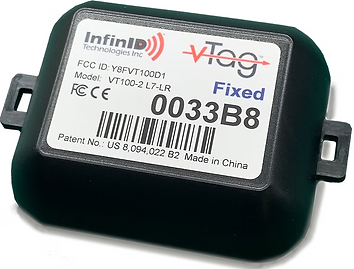
V-Tag active RFID asset tag form factors

Tag basics

Active RFID tags transmit using onboard power

An active RFID tag contains a battery, allowing the tag to send configured messages without first harvesting energy from a passive RFID reader. That can support broader automated location, movement, condition, and status events.

The battery also creates responsibilities that passive tags do not have: reporting configuration, battery monitoring, replacement planning, housing selection, and a clear process for tags that stop reporting.

Form factors and roles

Types of active RFID tags

Active tags vary because the items, locations, attachments, battery requirements, and operating environments vary. Availability and specifications should be confirmed for the current model before quotation.

Asset tagsBattery-powered tags attached to movable equipment, cases, carts, tools, documents, or other assets that need automated location or movement events.
Fixed location tagsReference tags assigned to known rooms, zones, work areas, or mounting points so movable tags can report useful location context.
Compact and slim tagsSmaller housings for assets with limited mounting space. Size, battery capacity, attachment, and expected operating life must be evaluated together.
Rugged or exterior tagsProtected housings for assets exposed to impact, dust, moisture, cleaning, vibration, or outdoor handling. Environmental suitability is model-specific.
Wearable or lanyard tagsHuman-carried form factors for defined personnel workflows. Attachment, comfort, identity handling, privacy, and operating policy are part of the design.
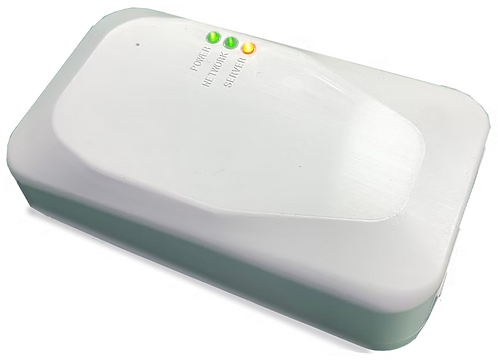
Beacon-style tagsTags that report directly to gateway coverage rather than serving the same mesh-network role as full V-Tag asset and location tags.

Physical fit

Mounting is part of the tag specification

Adhesive, screws, brackets, pouches, lanyards, or custom fixtures affect durability, serviceability, radio behavior, user acceptance, and whether the battery can be replaced. Select the mounting method with the tag, not after it arrives.

Environment

Match the housing to real exposure

Indoor office equipment, mobile carts, outdoor containers, human-carried tags for personnel workflows, and industrial assets impose different requirements. Confirm impact, vibration, moisture, dust, cleaning, temperature, and attachment loads for the selected model.

Ongoing operation

Plan the battery lifecycle before deployment

Published battery life is a planning input, not a universal outcome. Message interval, movement frequency, sensor sampling, beeper use, network behavior, temperature, storage, and the battery configuration can change operating life.

Record installation dates, monitor battery status where available, define replacement thresholds, keep the required parts and tools available, and decide whether tags are serviced in place or exchanged from a prepared pool.

Sensors and find assistance

Only collect data that drives a defined response

Depending on the selected V-Tag model and configuration, the system can support movement, temperature, shock, battery, or audible find behavior. Confirm the current specification, reporting interval, threshold behavior, and software handling for every required function.

MovementChange reporting behavior or create an event when a stationary asset begins moving.
TemperatureCompare reported values with approved thresholds and define the alert owner and response.
ShockFlag a configured impact condition for review rather than assuming the event proves damage.
Battery statusSurface tags that require planned attention before they stop reporting.
Audible beeperHelp a user identify a nearby asset after software narrows the search area.
Event historyPreserve the time, tag, asset, location context, rule, and response in Rocket Tracked.

Selection worksheet

Questions to answer before choosing an active RFID tag

  • What physical item or person carries the tag?
  • How much mounting area is available, and what is the surface material?
  • Which room, zone, area, movement, or condition event is required?
  • How often should a stationary tag report, and what should movement change?
  • Is an audible find function needed and operationally useful?
  • Which sensor conditions matter, and who responds to an alert?
  • What battery-monitoring and replacement process can the operation support?
  • Will the tag face impact, vibration, moisture, cleaning, heat, or outdoor exposure?
  • How will the identifier be assigned, replaced, retired, and audited in software?

Software relationship

The identifier must map to a managed asset record

Tag messages become useful when software knows which asset the identifier represents, which location references are valid, which events should be retained, and who owns each exception. Rocket Tracked connects the physical tag with location history, movement, alerts, battery review, search, and surrounding workflows.

Tag questions

Active RFID tag FAQ

What is an active RFID tag?

An active RFID tag contains a battery and can transmit messages according to its configuration. It still needs compatible infrastructure and software to turn those messages into useful asset, location, sensor, or exception events.

How long do active RFID tag batteries last?

Battery life depends on the model, battery capacity, message interval, movement behavior, sensor use, beeper use, network conditions, and operating environment. Confirm the current specification and model the replacement process before deployment.

Can active RFID tags report temperature or shock?

Some V-Tag configurations can support movement, temperature, shock, battery, or related status data. Confirm the current tag model, sensor range, reporting behavior, and alert requirement before treating a sensor as part of the solution.

Do active RFID tags need readers everywhere?

The infrastructure depends on the system architecture. V-Tag can use fixed location references for location context and gateways to carry messages into software. Coverage and reference placement still need to be mapped to the required areas.

Can one active RFID tag fit every asset?

Usually not. Mounting space, surface, battery requirement, environmental exposure, sensors, attachment security, and the human workflow can require different housings or configurations.

When should passive RFID tags be used instead?

Passive RFID is often the better fit when lower tag cost, high item volume, handheld inventory, checkout, fixed checkpoints, or dock-door reads solve the workflow without battery-powered updates.

Active RFID tag selection

Match the Tag to the Asset and Event

Share the asset type, mounting constraints, location expectation, reporting behavior, environment, quantity, and battery process so Rocket RFID can evaluate the right tag configuration.